Where is The money?
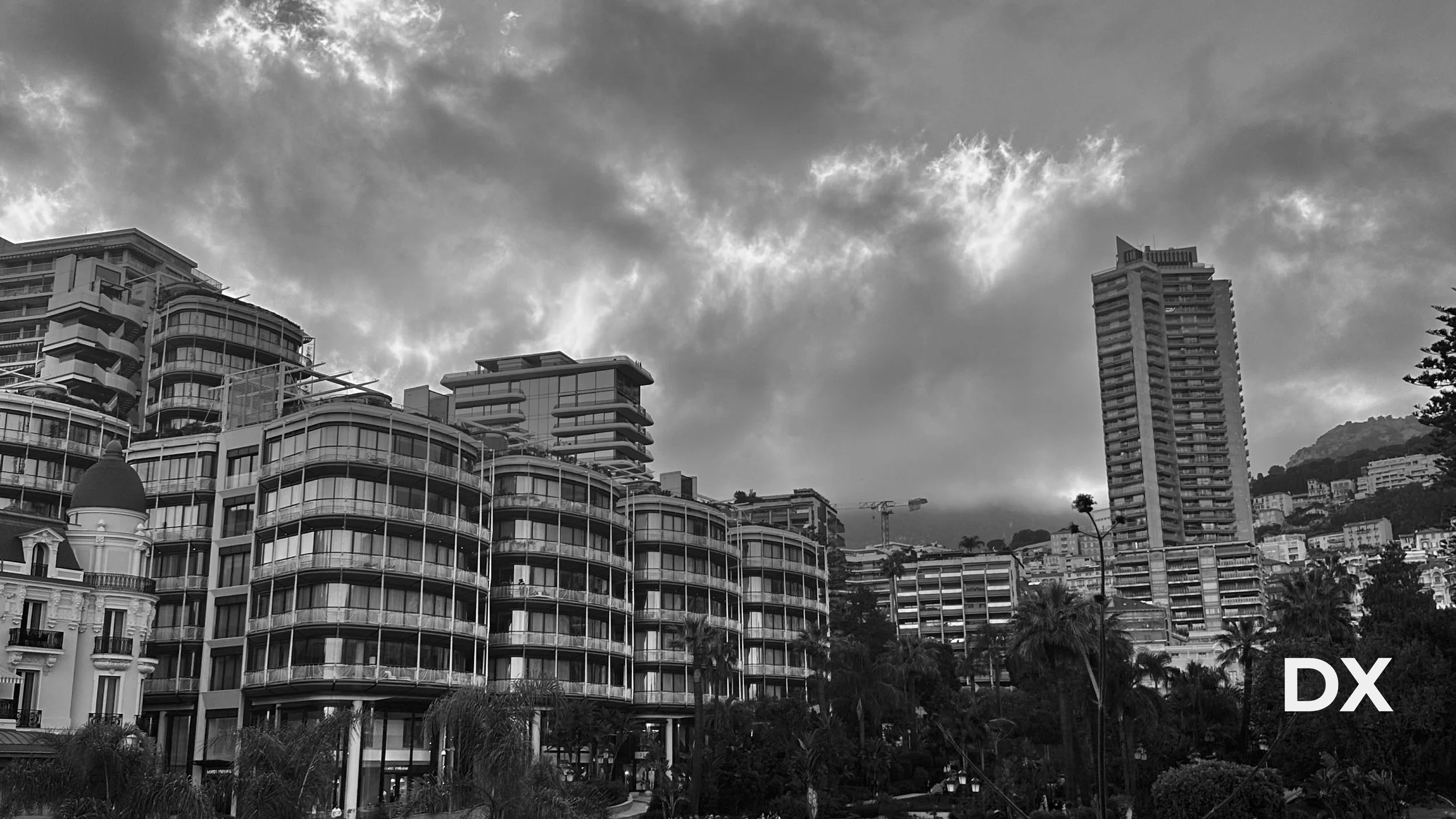
Capital without Deployment is functionally inert - also a reason why wealthy places are all… boring.
Do not hold equity for equities sake.
An abnormally large concentration of buying power anywhere is essentially worthless, until you deploy financial means to move thing. Any way really, for argument’s sake.
Storing fringe amount of wealth or for argument’s sake financial potential acts, paradoxically, like having no money at all because function is being striped, monetary flows withheld from markets, and somewhere in government some people believing printing even more must be the solution.
So there are in our eyes three main sinks where money goes, and usually tend to never come back;
Debt - Countries love debt, governments pushing too hard on the whole socialist / welfare state level are Expert at reckless spending, while more importantly than not they should be investing and rediscover the merit of work. Money that goes to clearing debt: Dead money. It stays in institutions, possibly balances books. The real economy won’t feel a thing besides Costs rising.
Nothing is built. The junk gets preserved and compounded.
Institutional management in pursuit of Gains - Acts as innocent as leaving large amounts on money to gather interest, actively being invested into ventures that are highly dependent on fragile ecosystems, more often than not propped up by the bullshit machine politics is on a Wednesday;
Many companies / ventures seem to not produce anything, because they aren’t purely relying on IOU’s from governments, which drives pseudo confidence, making people pile in, increase valuations…
No-one talks about the fallout when things go sideways. The fallout exists, but instead of publicly acknowledging that the venture wasn’t as great as it was cut out to be - the problem moves abroad, preferably into another country, away from europe / american eyes and accountability. Then to be bought by local stakeholders for scraps…. (There an numerous European instances)
Curiously, many of these ventures appear strongest when viewed from afar.
The further removed an investor is from physical reality, the easier it becomes to confuse valuation with value.
A spreadsheet rarely reveals whether a product is actually useful.
The factory floor does. And the test flights.
And then - Risk itself - Entities that could realistically underwrite an investment or Slate do not do because, economic situation is too volatile, too much debt is the challenge in the country of operations; and those with the chequebooks refuse to invest in something complex, brick and mortar and heavily people based. because it’s messy. Disproportionate amounts of available investments flowing into IT related ventures are a product of the desire of simplicity; Because it looks simple. Not because the next AI datacenter on the dark side of the moon is actually simple;
Again - it’s a nice way of relocating worry. Changing an address doesn’t make bad decisions go away. Ask your local uncle from the mob.
Eventually somebody still has to manufacture the thing, train the workforce, keep concerns going.
Reality has a habit of collecting unpaid invoices.
Because the craziest proposals seem sane if the amounts of Touch points with risk are as far removed as possible. So - when you are in manufacturing, production…
Industries that at the end of business must put good on shipping pallets (Awfully specific demographic here), regardless of sector, Even if the roof is on fire, i do not see cheques clearing. I do not see orders in large amounts tricking in.
Companies which have ongoing business can consider themselves happy, because in the European ‘announcement-economy’ we look for the announced / promised money - nowhere to be found. Maybe a forced mechanism to deploy capital (Force to invest, not a tax) would be the best too to un-stuck the system.
Everyone appears eager to announce capability.
Far fewer appear interested in funding it.
That must change.
it feels as though capital is being optimised for preservation rather than function.
There is a fourth sink: Corruption. Rampant, reckless, the deeply rooted kind.
Unto the next Field Note.