Where is your supply chain starting at?
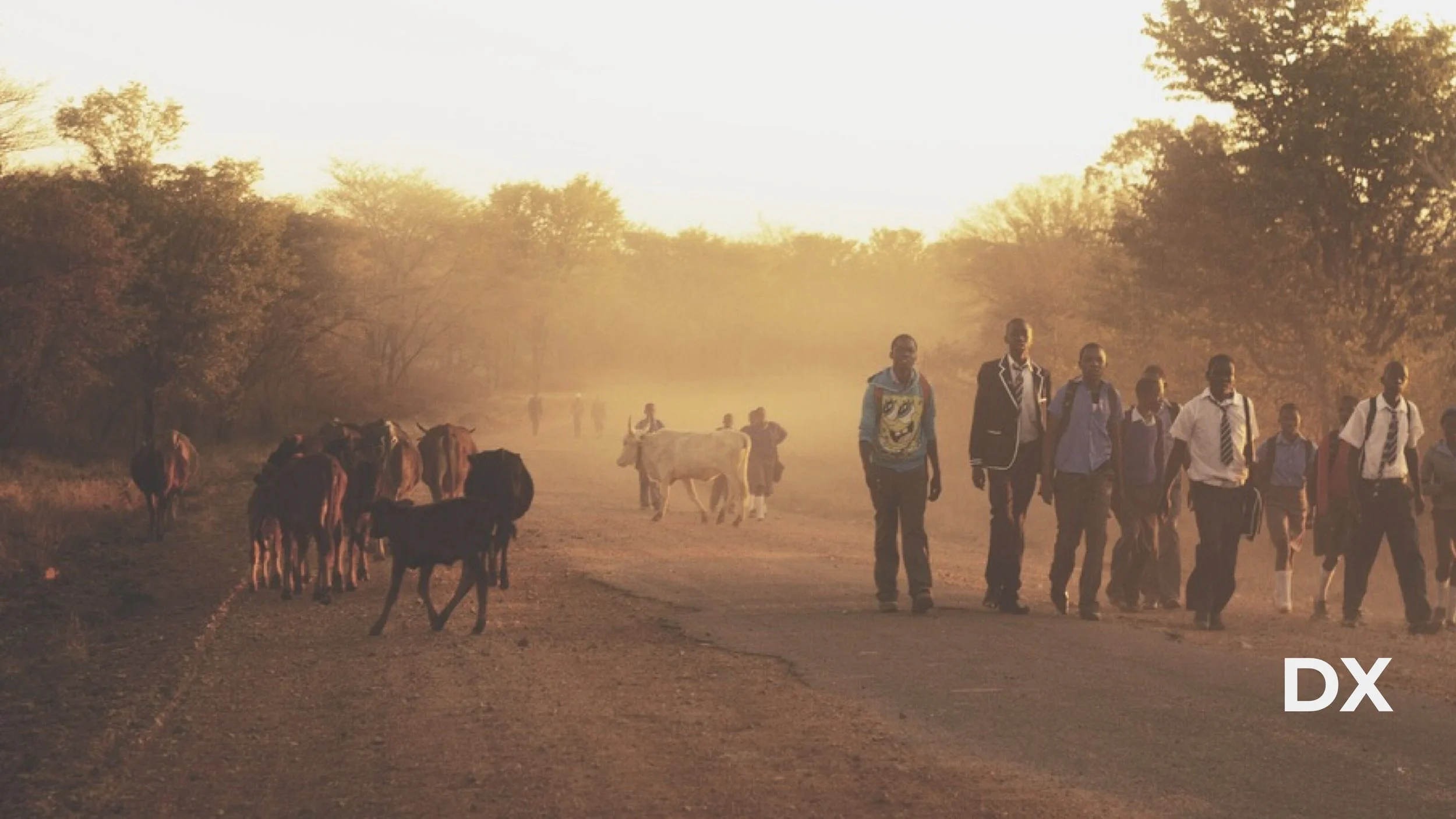
“I do not want to work with people who do not want to visit my factory.”
If a client could not be bothered to make that journey once, then sooner or later they would become more expensive to manage than the benefit they generated.
Most people talking about supply chain ethics have never actually seen a supply chain.
Europe is currently obsessed with legislation that forces companies, large and small, to certify that their supply chains do not involve forced labour, human trafficking, or forms of modern slavery.
On paper, the intention is difficult to argue against. Nobody of sound mind is going to defend abusive labour conditions or inhumane extraction practices.
But there is a serious difference between wanting to address a problem and pretending that paperwork alone gives you proximity to reality.
Years ago, during executive education at Harvard, I had the pleasure of sitting next to a gentleman whose view on this subject has stayed with me ever since.
He said something remarkably simple:
“I do not want to work with people who do not want to visit my factory.”
For obvious reasons, and out of respect for his privacy, I won’t go into detail on who he was or exactly where he operated. Suffice it to say, he sat at the upstream end of a major global industry in a geography that most Western buyers like to reference, but very few ever bother to visit.
Naturally, I asked him what he meant.
His answer was one of the most honest business lessons I have ever heard.
You land in the big city after a long flight.
Then you drive.
Not for two hours.
Or four.
For eight.
Driivng roads that barely deserve the name. You drive through potholes large enough to qualify as geographical features. You drive through customs bottlenecks, power interruptions, local protocols, and realities that no spreadsheet in Frankfurt, Paris, or Brussels will ever capture.
By the time one arrives, you understand something fundamental:
distance is not only measured in kilometres, but in assumptions.
The Factory owners view was that if a client could not be bothered to make that journey once, then sooner or later they would become more of a strain to manage than the revenue they generated. He seemed sick of explaining the process, when people came for product.
And he was absolutely right.
People who never visit the source of what they buy often develop expectations that are completely detached from operational reality.
They complain about delays without understanding roads.
Customs without understanding border infrastructure - Check.
Complaints about pricing without understanding energy inputs, labour scarcity, transport risk, and political volatility.
What is expected is western certainty delivered from non-Western environments, while refusing to see what those environments actually look like.
That is not diligence. That is Science Fiction.
This is why I have increasingly come to believe that every serious entrepreneur, operator, procurement lead, and investor should go upstream at least once. Once.
Not just to the port.
Not the warehouses with AC.
Not just to the delivery facility. Further upstream.
Where do the raw materials come from and who extracts them?
Under what conditions?
How do they move?
Who handles the intermediates and how many are there?
Where are the real points of fragility?
And I do mean really upstream.
Not the farm.
The fertilizer inputs behind the farm.
The mineral feedstock behind the fertilizer.
The mine behind the mineral.
Who owns the very land on which the extraction takes place?
How far upstream are you actually willing to go before you admit you don’t really know your own supply chain?
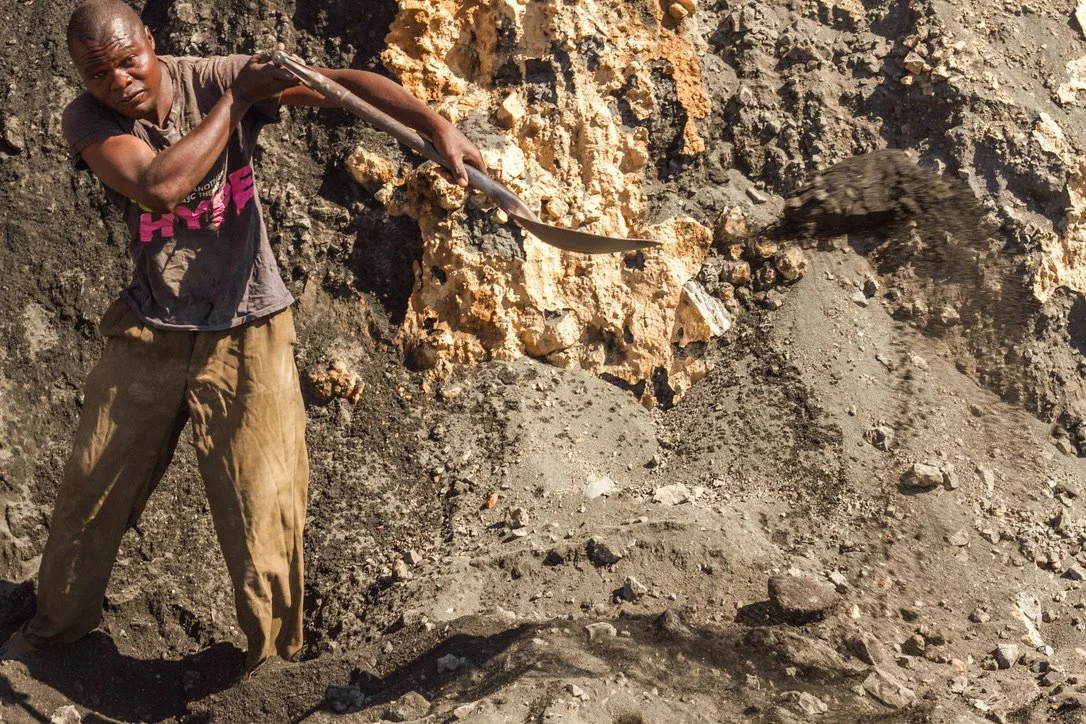
This photograph was taken in Zambia after countless hours on the road.
It captures something I think many people miss entirely.
A lot of visitors to Africa spend time in cities like Cape Town, Johannesburg, Durban, Nairobi, or Lagos and leave believing they have “seen the market.”
They haven’t. Those cities are interfaces. Important ones, certainly, but still interfaces.
The real education begins when you leave the urban shell and travel out into the places where materials originate, where infrastructure becomes thinner, where supply chains are less abstract and much more human.
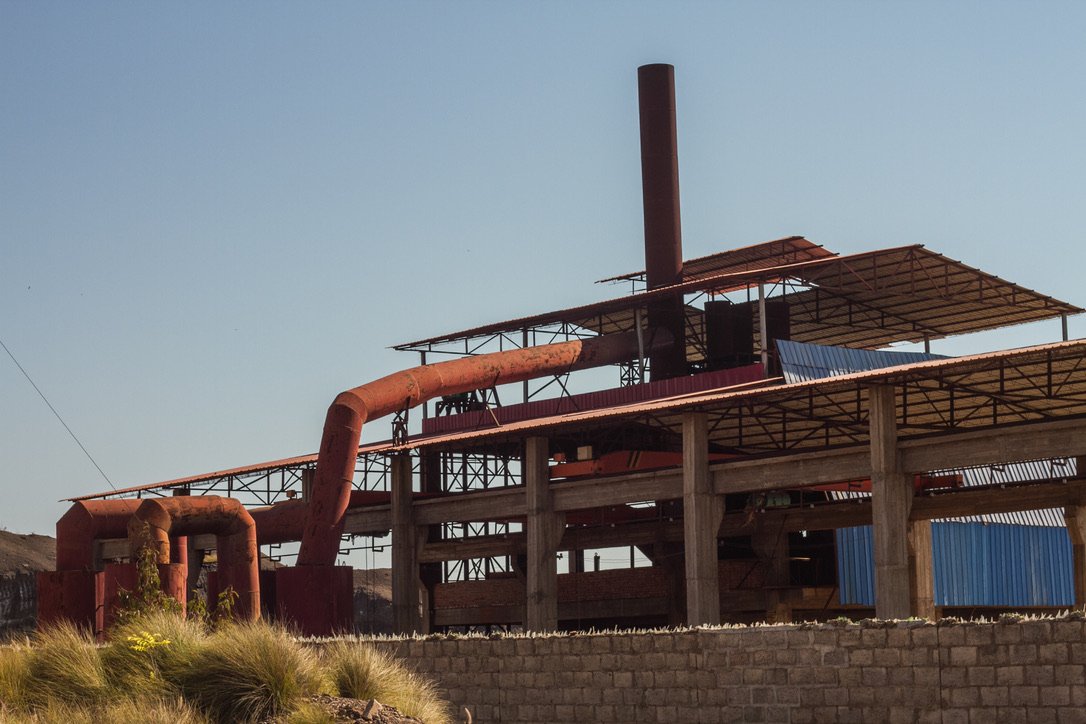
That is also increasingly how I approach my own work. At Midrand DX, we are not simply thinking about manufacturing as an isolated end-stage service. More and more, what clients need is a deeper integration between source, transport, synthesis, processing, and production. We aren’t saints but we take pride in knowing the devils we deal with.
In other words: not just the machine, but the journey before the machine.
Mine to manufacturing. Material to output - Origin to finished system.
And frankly, I increasingly prefer working with clients who are willing to make that trip with me.
Maybe that makes me some sort of executive concierge with a hardhat and a logistics problem.
So be it.
Because once you have physically seen where things begin, once you have spent time in places like Kabwe, once you have seen the environmental and human consequences of extraction economies up close, your internal compass changes.
Your sense of price changes.
Your sense of risk changes.
Your sense of responsibility changes.
Most importantly, your tolerance for second-hand opinions collapses.
There are certain subjects on which I struggle to take strong views seriously from people who have never left the airport lounge.
Supply chains are one of them.
Paperwork has its place.
Reality still lives on the road.

In the middle of Nowhere. But make it German Engineering.