PREFACE: There is no such thing as war?
There’s no such thing as war;
just like there’s no such thing as actual trust in a government for any sensible-minded person.
In South Africa, we learned that long before the world’s headline wars ever ended up on African soil. When the world finished its glorious global conflicts in the past century, what we inherited was suspicion; a lifestyle of distrust.
War is a lifestyle in the sense that, whether it’s declared or not, struggle is the default.
The peace that Europe and America basked in for 80 years? Historically, that’s a rounding error.
The Ancestors, Dutch, Zulu, Boer, French, Xhosa, even the Englishmen, didn’t get that memo.
Conflict was the norm. Their reality.
The best participation in a war? Don’t.
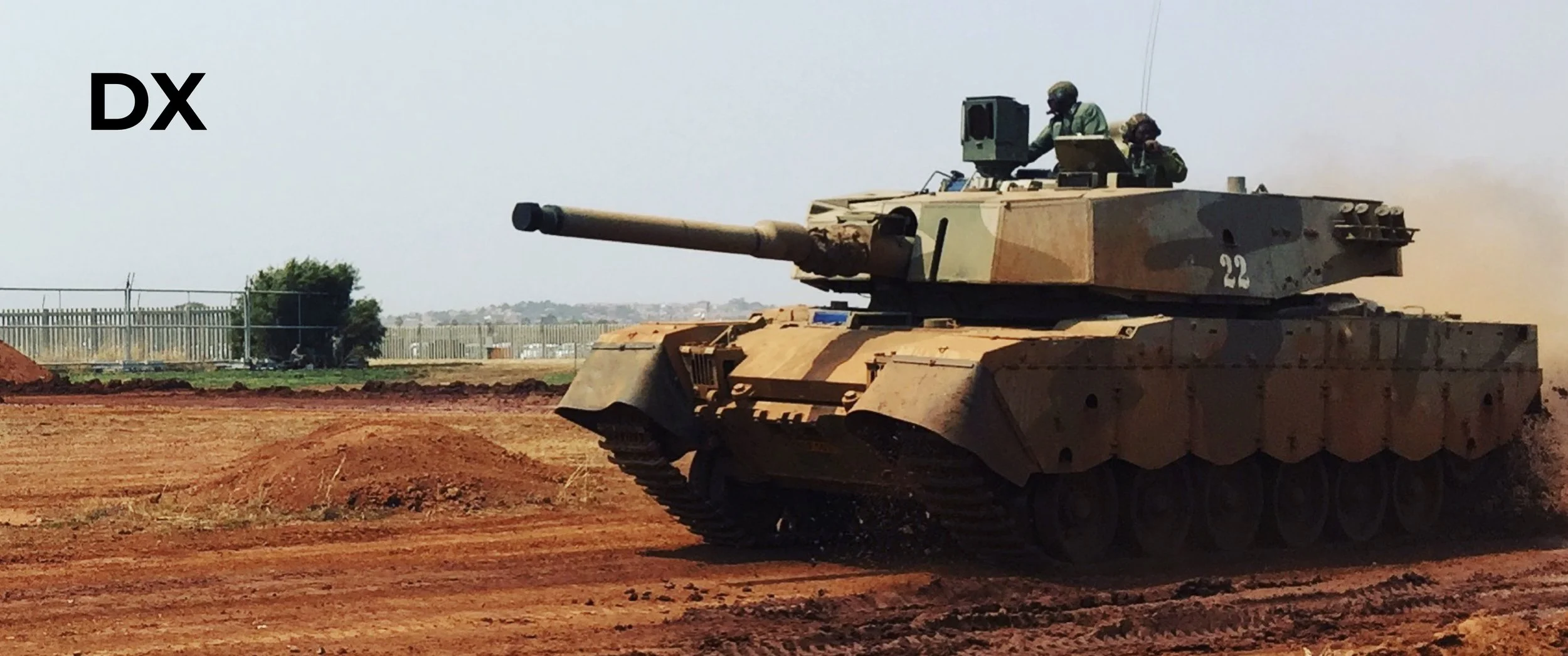
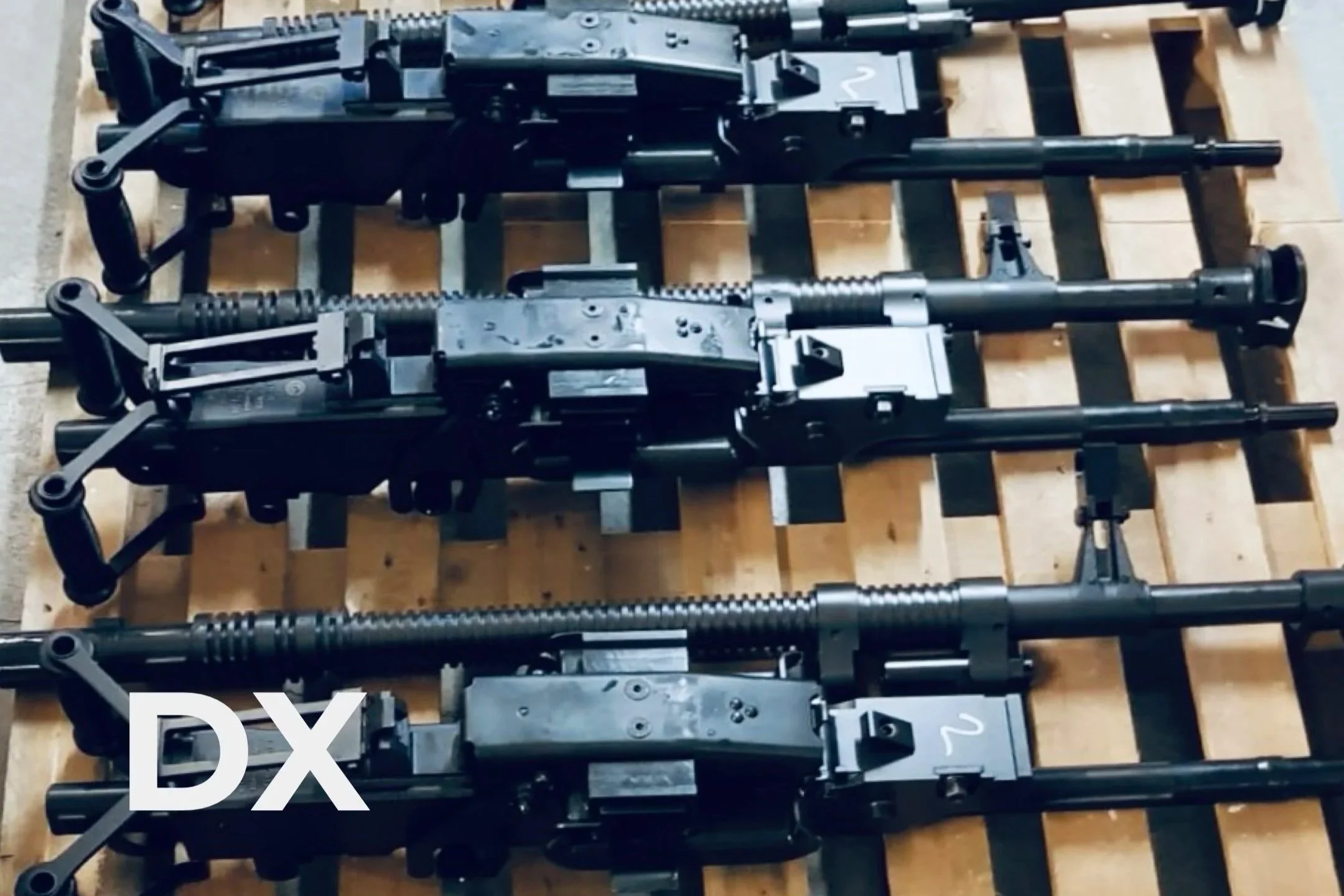
Arm yourself, not only with weapons, though it helps, but with preparedness, self-reliance, and community ties. While diplomats now mostly follow orders like the bureaucrats they are, the real conversations, the ones that matter, are the ones you have yourself, with everyone else.
Waiting on the state to get it right?
You’d have better odds betting on Italy making the cup for the 2030 world cup.
Lean times here in South Africa have always been a familiar shape and it’s high time has come where the rest of the world caught up.
There is no such thing as war, in the singular.
That is the first mistake people make.
People speak of war as if it is an event, a rupture, a headline that interrupts normal life.
And yes, it is, hear us out; War is mostly a declaration, a front line, a photograph on the evening news. Something that begins on a date and ends with a treaty.
Boring.
Weirdly mundane. So Far away. ‘It won’t concern us, honey, wheel of fortune on the TV…’
Yet history has rarely worked that way.
War is less an event than a condition.
Less a moment than an environment.
Strip away the European post-1945 assumption that peace is the natural state of affairs, and what remains is something far older and far less comfortable:
struggle is the norm.
Life, living, is unfair. Gradients make societies go round. Equality by default is a pipe dream.
Strength is work.
Competition between systems, gradients of power between cultures and ideologies are not they are the lubricant for progress.
Society needs to re-learn that they are the baseline texture of history.
For roughly eighty years, parts of Europe and North America experienced a level of internal stability so prolonged, and abnormal in a good way, that it came to be mistaken for permanence.
Entire generations were raised inside this anomaly and began to call it normal.
It was not normal. It was a privilege.
Across five thousand years of recorded human history, eighty years is a rounding error.
From a South African perspective, this is not a provocative statement so much as an obvious one.
The residue of imperial wars, the Boer conflicts, liberation struggles, sanctions, border wars, insurgency, political violence, organised crime, and the daily negotiation with state failure and jihadism appearing in the region have all left a deep cultural memory:
The state is not synonymous with safety.
So Africa, for once, relatively speaking, is ahead of the curve.
Post-Europeanised. Post-stability, finding new footing.
Growth after decades of uncertainty despite all the odds.
Meanwhile Europe, led by Germany and France, slides into what South Africa found itself in around 2010, while the music kept playing.
The state in the West often arrives late, arrives confused, always with paperwork and unintended consequences.
Moscow knows. Beijing knows. Washington knows.
The Brussels playlist keeps playing.
Our general distrust is a safety mechanism.
Pattern recognition.
And this is perhaps the deeper frustration with the present moment:
Mhy does everything seem to arrive as a surprise to so many people?
Markets wobble and it is a shock.
Borders harden and it is a shock.
Supply chains fracture, alliances weaken, governments fail (to mobilise/finance/perform), and once again it is treated like an extraordinary development.
Surprise, surprise. Sunrise. Next please.
For us it looks less like surprise and more like a return to historical gravity.
The party is over.
Die fetten Jahre sind vorbei.
The assumption that prosperity, cheap movement, political coherence, and strategic certainty would continue indefinitely now looks less like policy and more like wishful thinking.
Our (Grand)parents, particularly those in the West after 1989, lived through an era of insane abundance, strategic optimism, and cheap assumptions about peace, while forgetting how statecraft actually works.
Those born later are increasingly left to inherit the wildfire and debris.
This is not an argument for war, quite the opposite.
No serious person should romanticise it, but one should prepare for the worst case.
Quietly.
War is administrative failure made physical.
It is human error paid for in blood, infrastructure, and generations.
Refusing to acknowledge hostility, instability, and competition as permanent features of the international system does not make them disappear.
Preparedness is not militarism.
Preparedness is realism.
The best way to participate in war is, wherever possible, to avoid being consumed by it.
Provisions. Resilience. Community.
Know your neighbours, how systems fail, what happens when institutions stop functioning (coming near you, soon). When pressure comes, it is rarely abstract geopolitics that matters first.
It is whether your immediate world still works.
And perhaps most importantly, it means conversation.
Keep talking to each other.
One of the quiet tragedies of the modern diplomatic class is that many diplomats no longer possess the latitude their predecessors once had. They operate on short leashes, bound to message discipline, domestic optics, and rigid political instruction.
History is not ending. It is resuming.
Possibly one of the most dangerous collective illusion of the last eighty years was the belief that peace was the default state of civilisation.
War, or more precisely the ever-present possibility of hostility and disorder, has always been closer to the human norm. The job is not to worship that fact.
Recognise it early enough to avoid paying its full price.
This is what we do every day at MIDRAND DX.
Upstream.
We ringfence our clients from uncertainty through industry, manufacturing, and systems that continue to function when politics, markets, and institutions begin to wobble.
Because resilience is not a slogan.
It is built.
Be industrious.
Be everywhere.
Be there.