Energy - the Primary Economic Variable
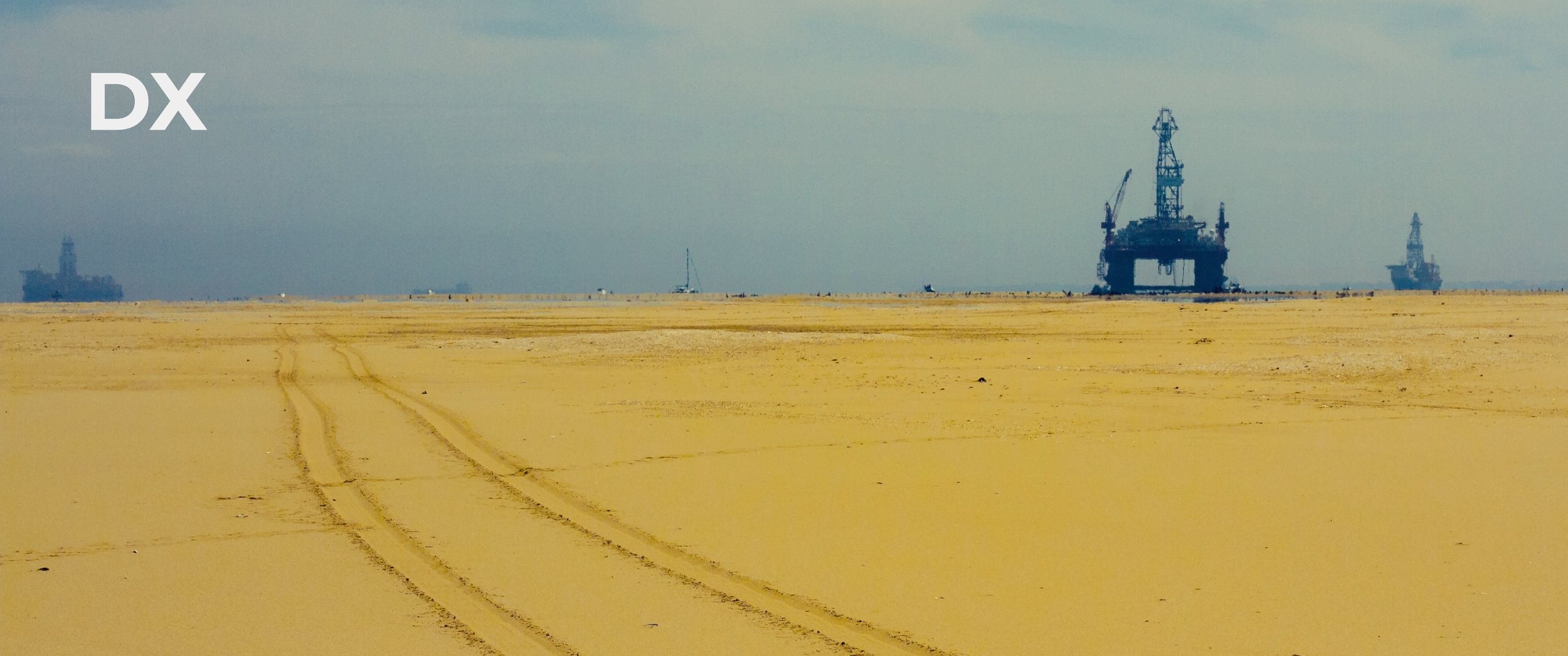
Drill, Baby, Drill?
Cheap, abundant, and reliable energy remains one of the decisive variables in economic competitiveness, social stability, and industrial resilience. That has been visible across oil-rich economies regardless of the quality of their political systems, and it remains just as relevant in modern industrial states built on nuclear, hydro, gas, or mixed generation systems.
For too long, the public conversation around energy has been trapped inside moral framing, as though electrons themselves care where they came from.
They do not. The more useful lens is operational.
Cheap, abundant, and reliable energy remains one of the decisive variables in economic competitiveness, social stability, and industrial resilience. That has been visible across oil-rich economies regardless of the quality of their political systems, and it remains just as relevant in modern industrial states built on nuclear, hydro, gas, or mixed generation systems.
The important lesson from places such as Libya and Venezuela, at their peak, was never simply that fuel was cheap. The visible feature was the wider effect that low energy costs had on daily life and economic activity. Mobility costs were negligible. Heating, cooling, and logistics burdens remained structurally low. Households were not forced to allocate disproportionate shares of income to movement, electricity, or basic thermal comfort. That left more disposable income available for everything else.
That surplus did not disappear into abstraction. It moved into services, leisure, household consumption, vehicles, construction activity, and local business formation.
This does not mean cheap oil creates prosperity by itself. It does not. Cheap energy can just as easily coexist with corruption, underinvestment, institutional fragility, and grotesque fiscal distortions. Venezuela is the warning shot here, not the model. The correct observation is narrower and more durable…
low-cost energy expands economic optionality.
That optionality matters because every industrial process, every logistics chain, every manufactured component, and every consumer good carries embedded energy cost upstream. The burden is rarely visible at the point of sale, yet it sits inside extraction, refinement, transport, machining, cooling, storage, and distribution. Energy is therefore not merely a line item inside an economy. It is the hidden multiplier inside the whole system.
Where energy becomes expensive, that burden compounds through the chain. Where energy becomes structurally cheap, the same compounding begins to work in the opposite direction.

The total energy burden of any product is the sum of what it consumes directly and everything the system had to spend to make it possible.
In practical terms, every product is condensed power.
This has consequences for fiscal design that are still underexamined. Taxation on income targets the outcome of productive activity. Taxation on energy, particularly when applied heavily and repeatedly across an economy, often taxes the underlying potential for work to be done in the first place. It taxes motion, heat, processing, fabrication, transport, storage, and conversion before value has fully been realized.
That raises the more serious question: what would fiscal systems look like if policymakers treated low-cost energy not as a regrettable input to be burdened wherever possible, but as a strategic enabler of productivity, industrial depth, and broader consumer surplus?

What the buyer ultimately pays is not just wages and machinery, but the compounded cost of energy carried through the whole system.
The answer is not obvious, and it will differ by country. But the direction of travel is clearer than most current policy debates admit.
If energy is the hidden multiplier inside the economy, then every fiscal and industrial policy decision is, whether acknowledged or not, an energy policy decision first.
This remains the foundational assessment.
#DX_Treatment